Your brick is already painted. Now what?
Plenty of Wheat Ridge ranches came with brick that somebody painted years ago. Here is how to repaint it so it lasts.
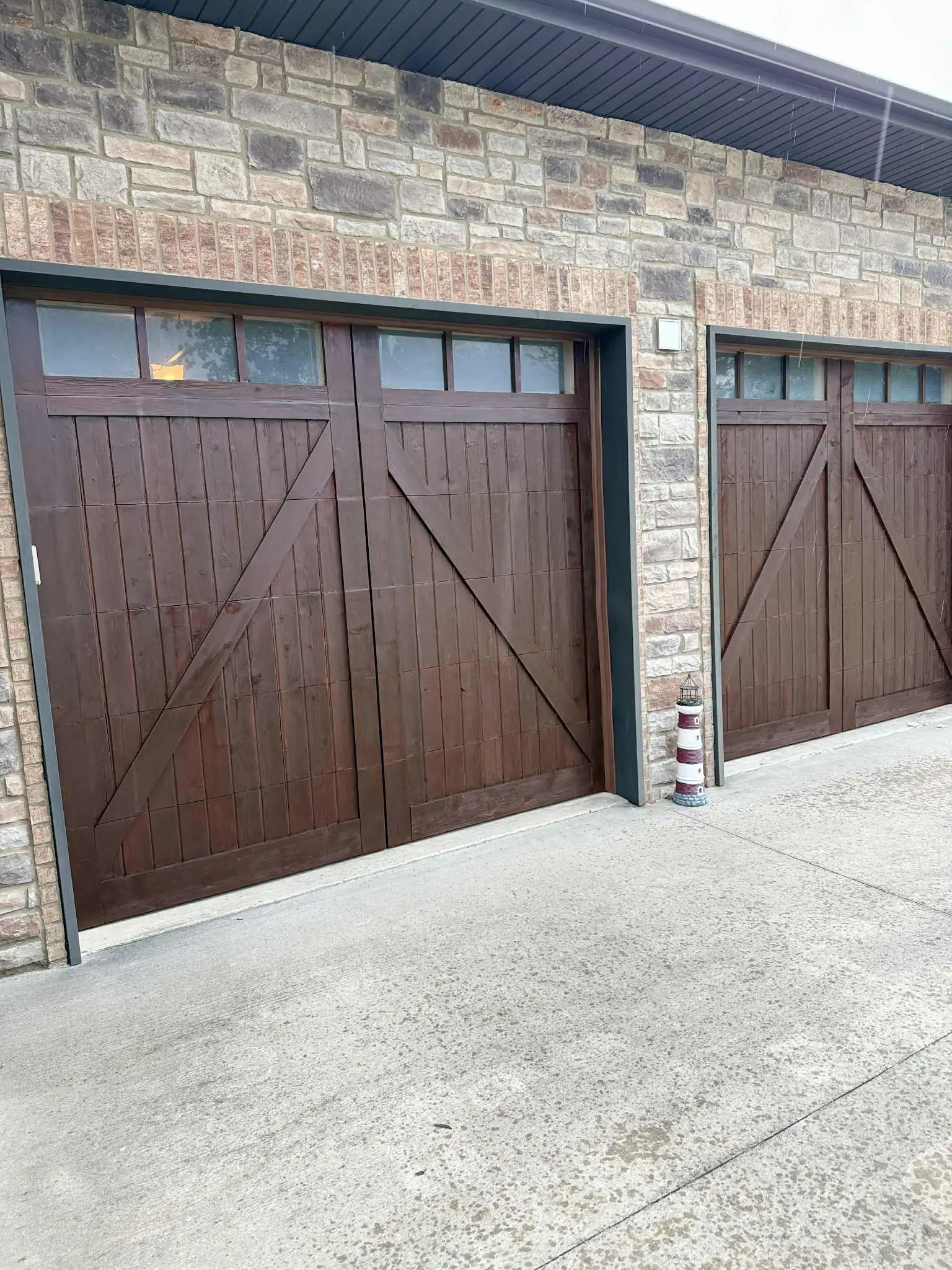
Brick that is already painted can be repainted successfully. Remove every bit of loose, peeling or blistered paint, find and fix whatever is letting water into the wall, let the masonry dry, clean off efflorescence and mildew, then apply a breathable masonry coating. Where old paint has built up thick or alligatored, strip it and treat the wall as new. Exterior masonry paint should be porous so the wall can breathe.
Repaint or strip?
Most painted brick only needs a proper recoat. Stripping makes sense when the existing paint is cracking in an alligator pattern, is built up so thick it is failing in sheets, or when a non-breathable coating is trapping moisture. The Brick Industry Association’s guidance is blunt: if alligatoring exists, remove the entire finish, and remove excessive buildup by stripping and treating the surface as new.
Why the coating has to breathe
Brick walls take on moisture and need to let it out. A coating that seals tightly can trap that moisture behind the film, which shows up as blistering, peeling and, over time, damage to the brick face. That is why exterior masonry paints should be porous, and why water-based acrylic masonry coatings are the usual choice outside. Oil and alkyd paints are relatively non-porous and are recommended for interior masonry only.
Find the water before you paint
Blistered paint on brick usually means water is getting into the wall. Before any coating goes on, check the usual suspects on a Wheat Ridge ranch: gutters overflowing at the corners, downspouts dumping against the foundation, sprinkler heads aimed at the wall, open mortar joints and failed caulk around windows.
Preparation, step by step
- Scrape and brush off every peeled, flaked or blistered area back to a firm edge.
- Repair joints where mortar is missing so water stays out.
- Remove efflorescence (the white salt bloom) and mildew, then check it does not come back.
- Let it dry. Brick should be dry before painting.
- Prime where needed with a masonry primer, especially on bare spots and chalky old paint.
- Two finish coats of a breathable exterior masonry coating.
Older houses: check the year
If the house was built before 1978, the old paint on the brick may contain lead. Scraping it is paint disturbance under the federal rules and, in Colorado, triggers the Renovate Right pamphlet. Ground sheeting and debris collection matter on brick jobs because chips fall straight into planting beds. See lead-safe painting.
Colors for a painted brick ranch
A painted brick front reads as a solid block, so it usually wants to work with the siding rather than compete with it. Many owners match or slightly deepen the siding color on the brick and let the fascia and front door do the talking. Our roofline color guide covers the rest.
Sources: Brick Industry Association Technical Note 6 · CDPHE pre-renovation lead education requirements
Painted brick questions
Can you repaint brick that is already painted?
Yes. Remove loose and failing paint, fix moisture problems, let the wall dry, then apply a breathable masonry coating.
What paint should go on exterior brick?
A breathable exterior masonry coating, typically water-based acrylic. Oil and alkyd paints are relatively non-porous and better suited to interior masonry.
Why is the paint on my brick bubbling?
Blistering on brick usually means water is getting into the wall. Find and fix the source before repainting.
Should I strip the old paint off my brick?
Only if it is alligatored, built up very thick, or is a coating that traps moisture. Otherwise a careful recoat is usually the better choice.
Is it safe to scrape old paint off brick on a 1950s house?
It can be, with lead-safe practices: sheeting on the ground, controlled scraping and careful cleanup. In Colorado you should receive the Renovate Right pamphlet first.
Request your free estimate
Tell us about the house and the year it was built. Photos are enough for a virtual estimate on most rooms and walls; older exteriors, rot and color matching often deserve an in-person look. You pick.
Prefer the phone? Call or text 720-208-5645